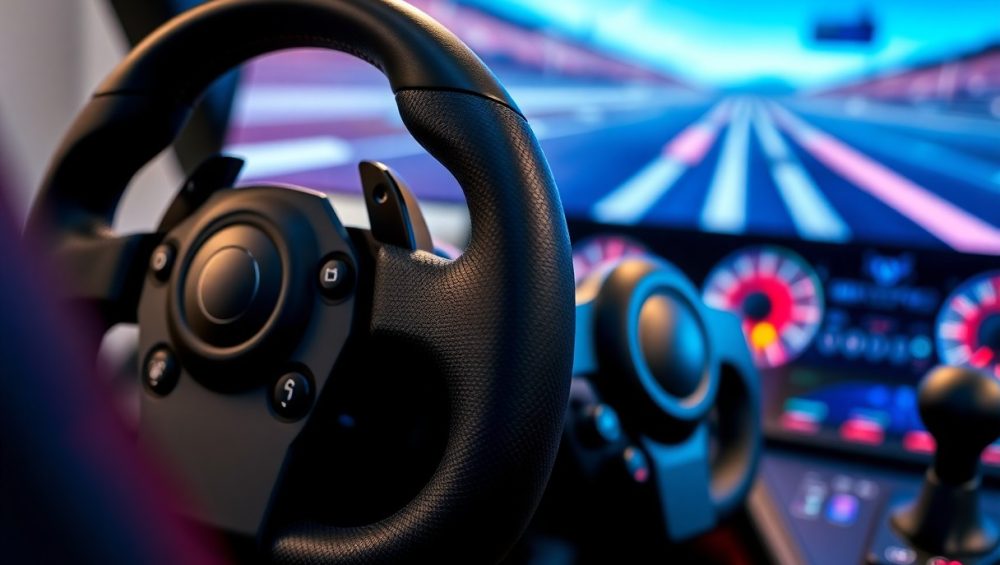
Is Force Feedback in Sim Racing important? That’s really up to you, but hopefully the below information will help you decide.
Feedback from your racing simulator is imperative for creating an authentic driving experience. Force feedback technology provides you with tactile sensations that mimic the feel of real-world racing dynamics, enhancing your connection to the virtual track. By engaging your senses, it allows you to better understand vehicle behavior, improve your control, and ultimately elevate your performance. In this blog post, we will explore how force feedback impacts your sim racing experience and why investing in quality hardware can make all the difference in your journey to becoming a better driver.

Understanding Force Feedback
For any sim racing enthusiast, grasping the concept of force feedback is necessary. It enhances the realism of your racing experience by transmitting tactile information from the virtual world to your steering wheel. This feedback allows you to understand the car’s behavior on track, such as tire grip and road imperfections, ultimately improving your driving skills and immersion.
Definition of Force Feedback
To put it simply, force feedback refers to the technology that enables your racing wheels to replicate physical forces experienced during real-life driving. This includes sensations of steering resistance, vibrations, and the nuances of road surface changes, providing you with vital information about your vehicle’s performance and handling.
Historical Development in Sim Racing
Racing simulation has evolved significantly over the years, particularly in its approach to force feedback technology. Early racing games lacked any meaningful interaction with the user, which changed dramatically with the introduction of more advanced hardware.
At the onset of sim racing, the experience was primarily limited to basic visual representation, with little to no sensory feedback. However, the advent of dedicated gaming wheels in the late 1990s marked a significant turning point. Manufacturers began integrating force feedback motors, allowing players to feel every bump and bend of the virtual track. The introduction of software algorithms further fine-tuned the system, enhancing precision and realism. Today, advancements in motion simulation technology continue to refine how you experience racing, making it more immersive than ever before.
The Role of Force Feedback in Realism
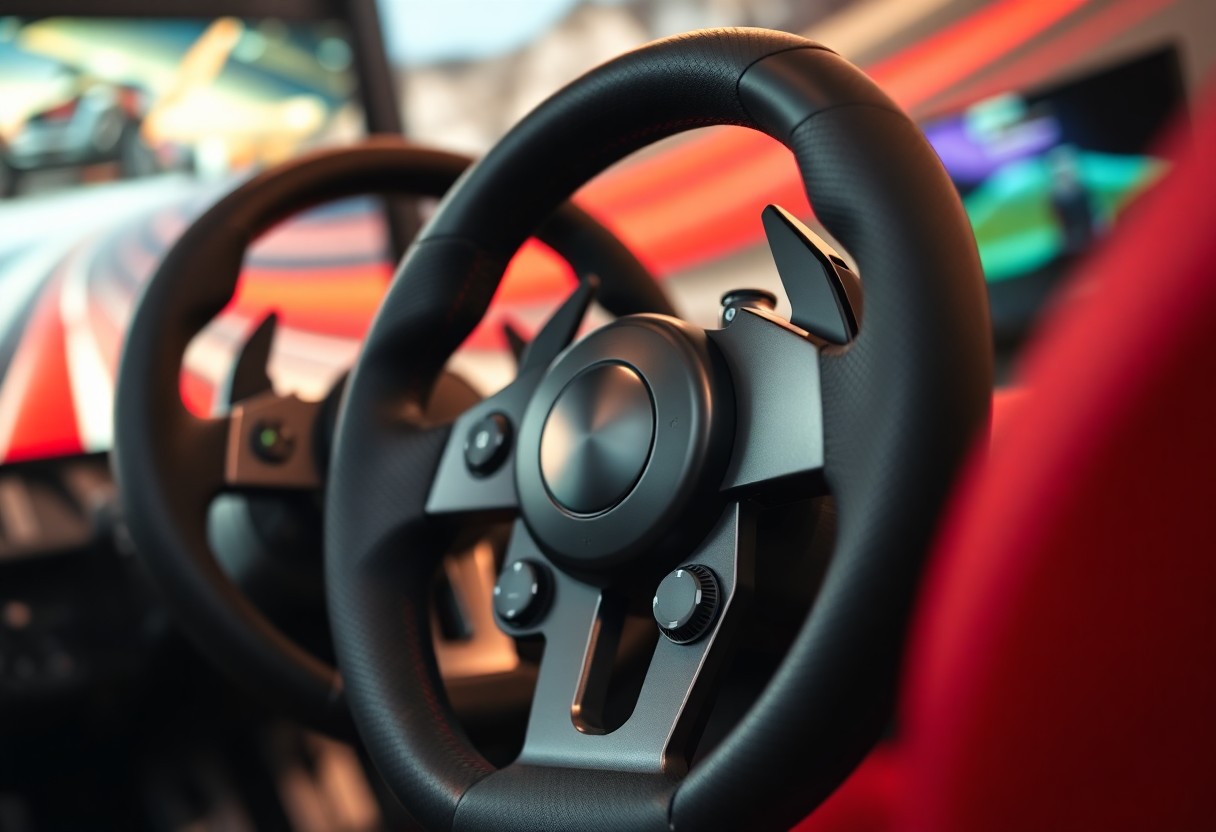
Some of the most significant advancements in sim racing technology stem from the implementation of force feedback. This innovative feature allows you to feel the road and the vehicle’s behavior, which heightens the realism of your racing experience.
Enhancing Immersion
Realism is one of the core pillars of sim racing, and force feedback plays a vast role in enhancing your immersive experience. When you can feel the car’s traction loss or the intensity of the racetrack through your hands, it transforms the virtual journey into a more authentic driving experience, making every turn and straightaway more vibrant.
Feedback Effects on Driving Performance
An in-depth understanding of how force feedback affects your driving performance can elevate your skills on the virtual track. As the system communicates various forces, your reactions become more intuitive, allowing you to adjust your strategies and improve lap times.
Further analysis highlights that consistent exposure to accurate force feedback can refine your muscle memory and overall driving technique. As you adapt to the nuanced sensations provided, you become more adept at balancing the race car, predicting its behavior under various conditions, and making split-second decisions that can lead to greater competitiveness in races.
Types of Force Feedback Systems
Now, understanding the various types of force feedback systems can enhance your sim racing experience significantly. These systems replicate the physical sensations of driving, providing you with realistic feedback. Here are some common types:
- Direct Drive Wheels
- Belt-driven Wheels
- Gear-driven Wheels
- Hybrid Wheels
- Wheelbase and Pedal Sets
This knowledge helps you select the right setup that meets your racing needs.
| Type | Features |
|---|---|
| Direct Drive Wheels | High torque, responsive feedback |
| Belt-driven Wheels | Balanced feel, quieter operation |
| Gear-driven Wheels | Budget-friendly, less feedback precision |
| Hybrid Wheels | Combination of technologies for flexibility |
| Wheelbase and Pedal Sets | All-in-one solutions for convenience |
Direct Drive vs. Belt-driven Wheels
Feedback from direct drive wheels offers unmatched realism due to direct connection with the motor, enabling rapid and precise response times. However, belt-driven wheels are designed to deliver a smoother experience, making them an appealing option for those who value noise reduction and a balanced force feedback feel.
Multi-axis Feedback Mechanisms
At the heart of advanced sim racing setups are multi-axis feedback mechanisms that enhance your driving experience. They allow you to feel not just the steering feedback but also the road’s imperfections, tire grip loss, and even weight transfer.
Drive simulations to the next level with multi-axis feedback mechanisms, which utilize various sensors to provide cues from different directional forces. These enable you to detect understeer, oversteer, and other subtle car movements, making it necessary for honing your skills. Implementing such systems allows you to experience the nuances of racing, helping you become a more skilled and agile driver on virtual tracks.
Psychological Impact of Force Feedback
Unlike traditional racing experiences, force feedback in sim racing significantly affects your psychological responses. This technology creates a more immersive environment that enhances your perception of the track and the vehicle dynamics.
Influence on Driver Confidence
For you as a sim racer, the feeling of having direct feedback from your wheel enhances your confidence on the track. This sensory input helps you understand the limits of your vehicle, allowing for more daring maneuvers and ultimately, a better performance.
Cognitive Load and Decision Making
One of the most significant aspects of sim racing is how force feedback reduces cognitive load. By providing real-time feedback, it streamlines the decision-making process, allowing you to focus more on your racing strategy rather than mechanical details.
Even with the pressures of high-speed racing, the responsiveness of force feedback directly influences your ability to analyze situations quickly and make informed decisions on the fly. You receive immediate tactile cues about the car’s behavior, which can inform split-second adjustments, enhancing your overall racing experience.
The Future of Force Feedback Technology
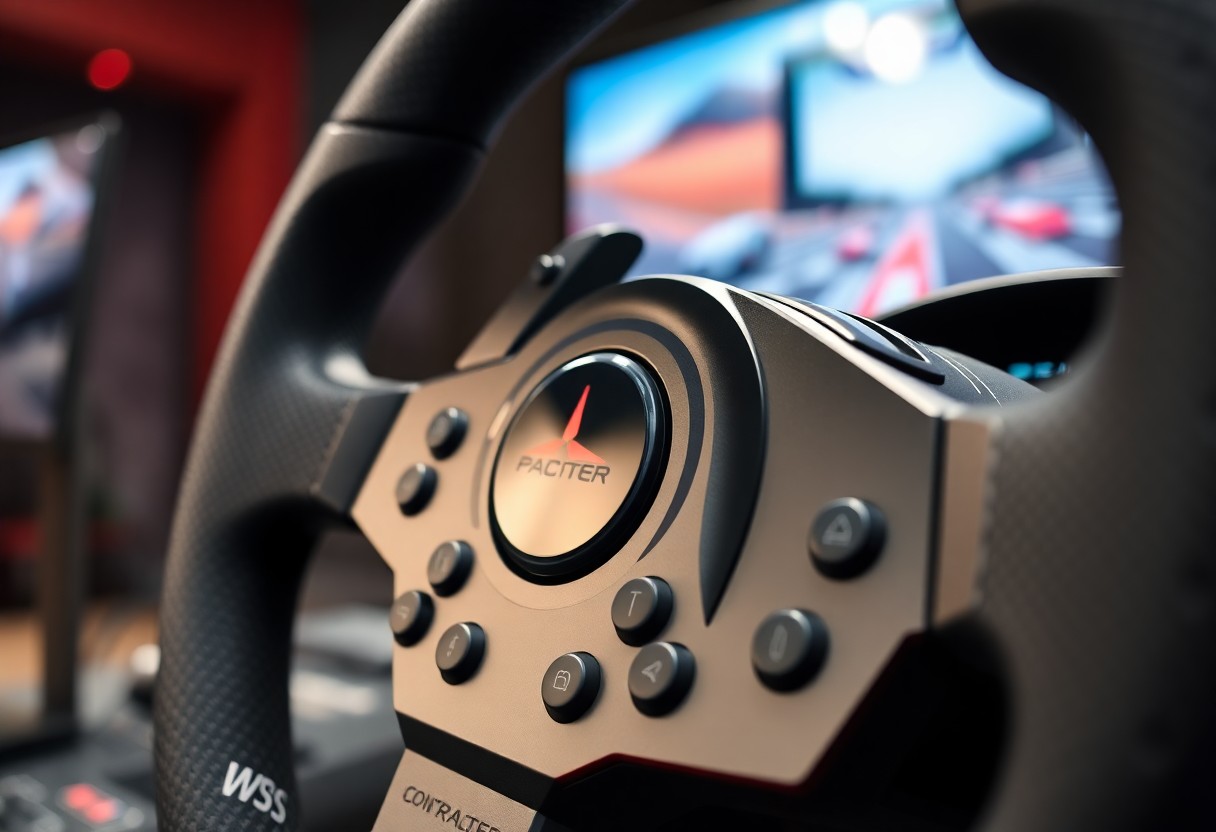
To understand the future of force feedback technology in sim racing, it’s necessary to recognize that ongoing developments are set to revolutionize your driving experience. With advancements in hardware and software, upcoming innovations promise to deliver even more realistic sensations on the track, enhancing your connection to the car and its dynamics. As manufacturers push the boundaries of what is possible, you can expect a more immersive gaming environment that mimics real-world vehicular feedback.
Innovations on the Horizon
To keep pace with technological advancements, new innovations are emerging that focus on delivering precise and adaptive force feedback. By integrating better sensors and smart algorithms, you can enjoy a more responsive and lifelike simulation, allowing you to feel every turn, bump, and acceleration with unparalleled accuracy.
The Potential for VR Integration
Force feedback technology has the potential to dramatically enhance your virtual reality racing experience by providing a sense of presence unlike anything you’ve experienced before.
In fact, integrating force feedback with VR can create an unmatched feeling of immersion. As you steer, accelerate, and brake, the feedback you receive will be synchronized with the visual cues you see in your VR headset. This synergy between force feedback and virtual reality allows you to better gauge your vehicle’s limits and react instinctively to the race environment. The result is a true-to-life racing simulation that engages not only your mind but your entire body, providing the ultimate immersive racing experience.
To wrap up
Presently, understanding the importance of force feedback in sim racing can elevate your gaming experience significantly. This technology allows you to feel the nuances of the race track, providing crucial feedback for better control and precision. By incorporating realistic sensations, force feedback enhances your immersion, helping you to react more effectively to dynamic racing conditions. Embracing this aspect of sim racing will undoubtedly refine your skills and deepen your enjoyment, making each race more authentic and rewarding.